Starting or growing a business requires the right tools to operate efficiently. Whether you own a construction company, medical practice, restaurant, trucking business, or manufacturing facility, having access to quality equipment is essential for long-term success. **Equipment Financing in Texas allows small businesses to purchase the equipment they need without making a large upfront investment. Instead of tying up valuable working capital, business owners can spread the cost over affordable monthly payments while continuing to invest in daily operations and future growth.
What Is Equipment Financing?
Equipment financing is a business funding solution that helps companies purchase new or used equipment. Unlike a traditional business loan, the funds are specifically used to acquire business equipment, and the equipment itself usually serves as collateral.
This financing option makes it possible for businesses to obtain expensive machinery, vehicles, technology, or specialized tools without paying the full purchase price at once. After completing the repayment term, the business generally owns the equipment outright.
Why Texas Small Businesses Choose Equipment Financing
Texas is home to thousands of small businesses operating in industries such as construction, agriculture, healthcare, transportation, manufacturing, retail, and energy. These industries rely heavily on equipment to maintain productivity and remain competitive.
Purchasing equipment with cash can significantly reduce available capital. Equipment financing helps businesses preserve cash while gaining immediate access to the equipment they need to serve customers and generate revenue.
Many business owners also appreciate the predictable monthly payments that make budgeting much easier.
Equipment That Can Be Financed
Almost every industry requires specialized equipment. Equipment financing can be used for a wide variety of business assets, including:
- Heavy construction machinery
- Commercial trucks and trailers
- Medical and dental equipment
- Manufacturing machines
- Farm tractors and agricultural equipment
- Restaurant ovens and refrigeration systems
- Office furniture
- Computers and servers
- Warehouse forklifts
- Landscaping equipment
- Commercial cleaning equipment
- Printing presses
- Fitness equipment
- Industrial tools
Both new and used equipment may qualify depending on the lender’s requirements.
How the Equipment Financing Process Works
The financing process is usually straightforward and designed to help businesses obtain funding quickly.
Step 1: Select the Equipment
The business first identifies the equipment it needs and receives a quote from the supplier or dealer.
Step 2: Submit a Financing Application
The lender reviews important business information, including revenue, time in business, credit history, and financial stability.
Step 3: Loan Approval
Once approved, the lender provides financing based on the equipment’s value and the business’s qualifications.
Step 4: Equipment Purchase
The lender pays the vendor directly or provides funding for the purchase.
Step 5: Monthly Repayment
The business makes fixed monthly payments until the financing agreement is completed.
Advantages of Equipment Financing
Preserve Working Capital
One of the biggest benefits is keeping your business cash available for payroll, inventory, marketing, and unexpected expenses instead of spending it all on equipment.
Access Better Equipment
Rather than settling for outdated machinery, financing allows businesses to invest in newer equipment that improves productivity and efficiency.
Modern equipment often reduces maintenance costs while increasing overall performance.
Predictable Monthly Payments
Fixed monthly payments make financial planning much easier. Businesses know exactly how much they need to budget each month.
Faster Business Growth
Having the right equipment allows companies to complete more projects, serve additional customers, and increase revenue sooner.
Waiting years to save enough cash may slow business growth significantly.
Flexible Financing Options
Many lenders offer customized repayment terms based on the equipment type and the financial needs of the business.
Who Is Eligible?
Every lender has different requirements, but most consider factors such as:
- Business revenue
- Time in operation
- Personal and business credit history
- Cash flow
- Existing business debt
- Type of equipment being financed
Even newer businesses may qualify under certain financing programs.
Industries That Benefit Most
Equipment financing supports businesses across many industries.
Some of the most common include:
Construction
Construction companies finance excavators, skid steers, cranes, loaders, and other heavy machinery needed for projects.
Healthcare
Medical offices purchase diagnostic equipment, imaging systems, examination tables, and laboratory equipment through financing.
Transportation
Trucking companies use financing to purchase commercial trucks, trailers, and delivery vehicles.
Agriculture
Farmers invest in tractors, combines, irrigation systems, and harvesting equipment without paying the full cost upfront.
Manufacturing
Manufacturers finance production machinery that improves efficiency and increases production capacity.
Restaurants
Restaurants finance ovens, refrigerators, freezers, commercial dishwashers, and food preparation equipment.
Equipment Financing vs. Leasing
Business owners often compare financing and leasing before making a decision.
With equipment financing:
- You build ownership over time.
- Monthly payments contribute toward purchasing the equipment.
- The equipment becomes your asset after repayment.
With equipment leasing:
- Monthly payments cover equipment usage.
- Ownership usually remains with the leasing company.
- Businesses may upgrade equipment more frequently.
The best option depends on your budget, business goals, and how long you plan to use the equipment.
Tips for Choosing the Right Financing Option
Before signing any financing agreement, compare several important factors.
Look for:
- Competitive interest rates
- Reasonable repayment terms
- Low fees
- Fast approval process
- Flexible financing limits
- Excellent customer service
Reading the full financing agreement helps avoid unexpected costs later.
Common Mistakes to Avoid
Many small businesses rush into financing without fully evaluating their options.
Avoid these common mistakes:
- Borrowing more than necessary
- Ignoring interest costs
- Choosing payments that exceed your budget
- Failing to compare lenders
- Purchasing equipment without considering future maintenance expenses
Planning ahead helps businesses maximize the return on their investment.
How Equipment Financing Supports Business Growth
Reliable equipment directly impacts productivity, customer satisfaction, and profitability. Businesses equipped with modern technology can often complete jobs faster, reduce downtime, and improve service quality.
Financing also provides flexibility by allowing businesses to expand operations without waiting until enough cash has been saved. Instead of delaying growth opportunities, companies can invest in equipment when they need it most.
For many Texas small businesses, equipment financing becomes a strategic tool for long-term success and financial stability.
Final Thoughts
Purchasing equipment is one of the largest investments many small businesses make. Choosing Equipment Financing in Texas allows companies to preserve cash flow, access the latest equipment, and grow without placing unnecessary strain on their finances.
By understanding how equipment financing works, comparing available options, and selecting repayment terms that fit your budget, your business can make smarter financial decisions while continuing to expand and compete in today’s marketplace.

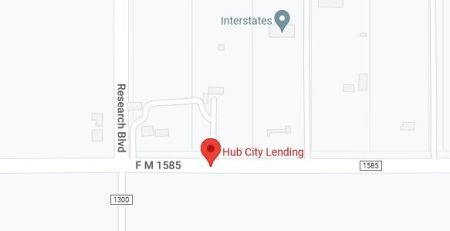
Location: Lubbock, Texas, United States
Work:Owner/Broker @ HubCityLending
Education:University of Texas at the Permian Basin, Master of Business Administration, 1999 – 2001