Purchasing equipment is one of the biggest investments a business can make. Whether you own a construction company, trucking business, manufacturing facility, medical practice, restaurant, or agricultural operation, having the right equipment is essential for delivering quality services and remaining competitive. However, buying expensive equipment outright can strain your finances. Equipment Financing in Texas offers a practical solution by allowing small business owners to acquire the equipment they need through affordable monthly payments instead of making a large upfront purchase.
Understanding the benefits of equipment financing can help you make smarter financial decisions and position your business for long-term success.
What Is Equipment Financing?
Equipment financing is a business funding option specifically designed to help companies purchase equipment needed for daily operations. Rather than paying the full purchase price upfront, businesses borrow the necessary funds and repay the loan over time.
In most cases, the equipment itself serves as collateral for the financing, making it easier for many businesses to qualify compared to unsecured loans.
Once the repayment period is complete, the business generally owns the equipment.
1. Preserve Working Capital
One of the biggest advantages of equipment financing is protecting your business’s cash flow.
Every business needs working capital to cover everyday expenses such as:
- Employee salaries
- Inventory purchases
- Marketing campaigns
- Rent and utilities
- Insurance
- Unexpected repairs
Using all available cash to purchase equipment can leave a business financially vulnerable. Financing allows you to keep your cash available while still acquiring the equipment you need.
2. Access Equipment Immediately
Business opportunities often cannot wait.
If a construction company wins a large project or a trucking business needs additional vehicles to meet customer demand, delaying equipment purchases may result in lost revenue.
Equipment financing provides access to equipment when it’s needed, allowing businesses to grow without waiting months or years to save enough money.
3. Improve Cash Flow Management
Predictable monthly payments make budgeting much easier.
Instead of one large expense affecting your finances, equipment financing spreads the cost across manageable installments.
This helps businesses:
- Forecast expenses accurately
- Maintain stable cash flow
- Plan future investments
- Reduce financial stress
Healthy cash flow is often one of the most important factors in long-term business success.
4. Increase Productivity
Modern equipment allows employees to work faster and more efficiently.
Replacing outdated machinery can:
- Reduce downtime
- Improve production speed
- Deliver higher-quality work
- Increase customer satisfaction
- Lower maintenance costs
Greater productivity often leads directly to increased revenue and stronger profitability.
5. Keep Up With Industry Technology
Technology changes rapidly across nearly every industry.
Businesses using outdated equipment may struggle to compete with companies that invest in newer, more efficient tools.
Equipment financing makes it easier to upgrade technology without making a large one-time investment.
Modern equipment often provides:
- Better performance
- Improved energy efficiency
- Enhanced safety features
- Lower operating costs
- Increased reliability
6. Flexible Financing Options
Equipment financing programs are available for businesses of many sizes and industries.
Depending on the lender, financing options may include:
- Short-term repayment plans
- Long-term repayment plans
- Fixed monthly payments
- Financing for new equipment
- Financing for used equipment
This flexibility allows business owners to choose a financing structure that matches their cash flow and business goals.
7. Build Business Assets
Unlike leasing in many situations, equipment financing often results in ownership.
Once the loan has been fully repaid, the equipment becomes a valuable business asset.
Owning equipment can:
- Increase business value
- Strengthen your balance sheet
- Provide long-term operational benefits
- Reduce future equipment costs
Assets may also improve your company’s financial position when applying for future business funding.
8. Easier Qualification Than Some Business Loans
Because the equipment itself usually serves as collateral, many lenders are willing to offer financing to businesses that may not qualify for unsecured loans.
While requirements vary, lenders commonly review:
- Business revenue
- Time in business
- Credit history
- Cash flow
- Equipment value
Many financing programs are designed specifically for small businesses.
9. Potential Tax Advantages
Depending on current tax regulations, businesses may qualify for deductions related to financed equipment purchases.
Possible benefits may include:
- Depreciation deductions
- Interest expense deductions
- Business equipment write-offs
Tax laws change over time, so business owners should consult a qualified tax advisor to understand which deductions apply to their situation.
10. Support Business Expansion
Equipment financing makes expansion much easier by reducing the financial burden of purchasing expensive equipment.
Businesses can use financing to:
- Open new locations
- Expand production capacity
- Hire additional employees
- Increase service offerings
- Accept larger projects
- Serve more customers
Instead of delaying growth due to limited cash reserves, financing provides the resources needed to move forward confidently.
Industries That Benefit from Equipment Financing
Many Texas industries rely heavily on equipment financing to maintain operations and support growth.
These include:
Construction
Heavy equipment such as excavators, cranes, loaders, bulldozers, and skid steers.
Transportation
Commercial trucks, trailers, delivery vans, and fleet vehicles.
Healthcare
Medical imaging systems, examination equipment, dental chairs, and laboratory equipment.
Manufacturing
Production machinery, automation systems, industrial tools, and assembly equipment.
Agriculture
Tractors, combines, irrigation equipment, and harvesting machinery.
Hospitality and Restaurants
Commercial ovens, refrigerators, food preparation equipment, freezers, and dishwashers.
Tips for Choosing the Right Financing Option
Before accepting an equipment financing offer, consider several important factors.
Compare:
- Interest rates
- Loan terms
- Monthly payment amounts
- Total financing costs
- Down payment requirements
- Approval speed
- Customer support
Taking time to compare multiple lenders helps ensure you choose financing that supports your business goals.
Final Thoughts
Investing in quality equipment is essential for business growth, but paying the full purchase price upfront isn’t always the best financial decision. Equipment Financing in Texas allows small business owners to preserve cash flow, improve productivity, access modern equipment, and expand operations without placing unnecessary strain on their finances.
Whether you’re upgrading outdated machinery, purchasing commercial vehicles, expanding your production capacity, or investing in advanced technology, equipment financing provides the flexibility needed to keep your business moving forward. By selecting the right financing option and carefully planning your investment, your business can achieve sustainable growth while maintaining financial stability.

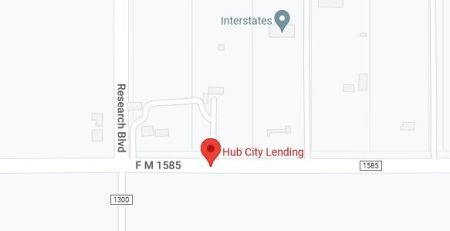
Location: Lubbock, Texas, United States
Work:Owner/Broker @ HubCityLending
Education:University of Texas at the Permian Basin, Master of Business Administration, 1999 – 2001