Running a business often requires expensive equipment, whether it is heavy machinery, medical devices, construction tools, commercial vehicles, or advanced technology. Purchasing these assets outright can put significant pressure on your cash flow, especially for growing businesses. Equipment Financing in Texas provides an affordable way to acquire the equipment your company needs while preserving working capital for other essential business expenses. Understanding how equipment financing works can help business owners make informed decisions and invest in long-term growth.
Understanding Equipment Financing
Equipment financing is a type of business loan specifically designed to help companies purchase equipment. Instead of paying the full cost upfront, businesses finance the purchase through monthly payments over a fixed period. The equipment itself often serves as collateral for the loan, making it easier for many businesses to qualify.
This financing option allows companies to obtain new or used equipment without making a large initial investment. Once the loan is repaid, the business owns the equipment outright in most financing agreements.
How Equipment Financing Works
The process is relatively simple. A business identifies the equipment it wants to purchase and applies for financing through a lender. After reviewing the company’s financial information, credit profile, and business history, the lender determines eligibility and loan terms.
If approved, the lender pays the equipment vendor directly or provides funds for the purchase. The business then repays the loan through scheduled monthly installments, which typically include both principal and interest.
The repayment period can range from one to seven years or longer, depending on the cost and expected lifespan of the equipment.
Types of Equipment That Can Be Financed
Many industries rely on equipment financing to support daily operations. Businesses in Texas can finance a wide variety of equipment, including:
- Construction equipment
- Commercial trucks and trailers
- Manufacturing machinery
- Medical and dental equipment
- Restaurant kitchen equipment
- Agricultural machinery
- Landscaping equipment
- Office furniture
- Computers and IT infrastructure
- Printing equipment
- Warehouse equipment
- Forklifts and industrial tools
Whether your business is just starting or expanding operations, financing can help you access modern equipment without exhausting your available cash.
Benefits of Equipment Financing
Preserve Cash Flow
One of the biggest advantages is maintaining healthy cash flow. Instead of spending thousands of dollars upfront, businesses spread the cost into manageable monthly payments.
This allows companies to continue investing in payroll, inventory, marketing, and day-to-day operations.
Faster Business Growth
Access to modern equipment often improves productivity and efficiency. Businesses can complete projects faster, serve more customers, and increase revenue without waiting years to save enough money for equipment purchases.
Easier Qualification
Since the equipment usually serves as collateral, lenders may offer more flexible approval requirements than unsecured business loans.
Even businesses with limited operating history may qualify depending on the equipment being financed.
Tax Advantages
Many businesses may qualify for tax deductions related to financed equipment. Depending on current tax laws and business circumstances, equipment financing may provide valuable tax benefits.
Business owners should consult a qualified tax professional for guidance specific to their situation.
Who Can Benefit from Equipment Financing?
Equipment financing is suitable for businesses of all sizes across many industries.
Some of the businesses that commonly use equipment financing include:
- Construction companies
- Trucking businesses
- Medical practices
- Manufacturing facilities
- Restaurants
- Auto repair shops
- Farms and ranches
- Retail businesses
- Warehouses
- Technology companies
Whether replacing outdated equipment or expanding operations, financing can help businesses stay competitive.
Equipment Financing vs. Paying Cash
Paying cash eliminates interest costs but significantly reduces available working capital.
Equipment financing allows businesses to:
- Keep emergency cash reserves.
- Invest in business growth.
- Maintain liquidity.
- Upgrade equipment sooner.
- Avoid delaying expansion plans.
For many growing businesses, maintaining cash flow outweighs the cost of financing.
What Lenders Typically Consider
Although requirements vary, lenders generally review:
- Business revenue
- Time in business
- Credit history
- Equipment value
- Cash flow
- Existing debt obligations
Some financing programs offer flexible options for startups, while established businesses may qualify for larger funding amounts and lower interest rates.
Choosing the Right Equipment Financing Option
Not every financing solution is the same. Business owners should compare several factors before making a decision.
Look for:
- Competitive interest rates
- Flexible repayment terms
- Minimal hidden fees
- Fast approval process
- Financing limits
- Customer support
- Industry experience
Reviewing multiple offers helps ensure you receive financing that fits your business goals and budget.
Common Mistakes to Avoid
Many business owners make avoidable mistakes during the financing process.
These include:
- Financing more equipment than needed.
- Ignoring the total cost of borrowing.
- Choosing payments that strain monthly cash flow.
- Failing to compare multiple lenders.
- Not reading financing agreements carefully.
Careful planning helps businesses maximize the value of their investment.
Is Equipment Financing Right for Your Business?
If your business depends on reliable equipment to generate revenue, financing can be a practical solution. Rather than delaying purchases or using valuable cash reserves, financing allows companies to invest in the tools they need today while paying over time.
Businesses experiencing growth, expanding into new markets, or replacing aging equipment often find equipment financing to be an effective way to remain competitive.
It also provides flexibility by allowing businesses to preserve capital for unexpected expenses and future opportunities.
Final Thoughts
Equipment plays a critical role in the success of nearly every industry. Whether you operate a construction company, medical practice, transportation business, manufacturing facility, or retail operation, having access to modern equipment helps improve efficiency and profitability.
Understanding how equipment financing works enables business owners to make smarter financial decisions while protecting cash flow. By comparing financing options, reviewing repayment terms, and selecting equipment that supports long-term growth, businesses can confidently invest in their future.

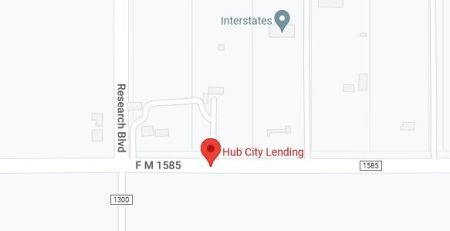
Location: Lubbock, Texas, United States
Work:Owner/Broker @ HubCityLending
Education:University of Texas at the Permian Basin, Master of Business Administration, 1999 – 2001