Equipment financing can provide businesses with access to essential machinery, vehicles, technology, and tools without requiring the entire purchase price upfront. However, financing is a long-term financial commitment and should be evaluated carefully before an agreement is signed. Equipment Financing in Texas can be useful for many businesses, but understanding the costs, benefits, equipment requirements, and repayment terms is essential before making a decision.
Determine Why You Need the Equipment
Start by identifying the exact reason for the purchase.
Equipment may be needed because:
- Existing machinery is outdated
- Demand has increased
- A new contract requires it
- Your business is expanding
- You are introducing a new service
A clear purpose helps determine whether the investment is justified.
Calculate the Total Cost
Don’t focus only on the sticker price.
Consider additional costs such as:
- Installation
- Delivery
- Maintenance
- Insurance
- Training
- Accessories
- Repairs
These expenses can affect the equipment’s actual cost.
Determine Whether Financing Is Affordable
Calculate your expected monthly payment and compare it with your normal cash flow.
Your business should have enough income to cover the payment alongside regular operating expenses.
Avoid relying entirely on future revenue projections.
Compare Different Financing Offers
Don’t accept the first offer automatically.
Compare multiple providers based on:
- Interest rate
- Repayment period
- Fees
- Down payment
- Monthly payment
- Total repayment
A careful comparison can help you find financing that better matches your needs.
Understand the Ownership Structure
Make sure you know who owns the equipment during the repayment period and what happens once payments are completed.
Different financing structures may have different ownership arrangements.
Understanding this before signing prevents confusion later.
Consider the Equipment’s Lifespan
The equipment should ideally remain useful throughout the financing period.
Financing a machine with a short useful life over a long term could create problems if the equipment becomes obsolete before the payments end.
Evaluate Maintenance Requirements
Maintenance can significantly affect the total cost of ownership.
Ask:
- How often does the equipment need service?
- Are replacement parts expensive?
- Is technical support available?
- Does the manufacturer provide a warranty?
A reliable machine may cost more initially but save money over time.
Consider Your Business Credit
Your credit profile can affect financing options.
Before applying, review your credit history and ensure financial information is accurate.
Paying existing obligations on time and maintaining responsible debt levels can support stronger financing applications.
Prepare Your Financial Documents
Lenders may request financial information to determine eligibility.
Prepare documents such as:
- Bank statements
- Tax returns
- Financial statements
- Business licenses
- Equipment invoices
Being prepared can make the process smoother.
Calculate the Expected Return
The equipment should ideally provide measurable value.
Estimate how much revenue it may generate or how much it could save.
For example, a machine that reduces production time by several hours each day may increase output and lower operating costs.
Don’t Ignore Cash Reserves
Even if financing is approved, don’t forget about emergency funds.
Businesses need cash for unexpected expenses.
Maintaining adequate reserves can help protect the company during slower periods.
Consider Future Technology
Some equipment becomes outdated quickly.
If technology changes rapidly in your industry, consider whether leasing or another financing structure may be more appropriate.
For long-lasting equipment, ownership through financing may offer stronger long-term value.
Final Thoughts
Financing equipment is an important business decision that requires careful planning. Equipment Financing in Texas can help businesses acquire valuable assets while preserving working capital, but the financing agreement should fit the company’s financial capacity and long-term goals.
Before applying, evaluate the equipment’s purpose, total cost, lifespan, expected return, maintenance requirements, and financing terms. By comparing options and choosing responsibly, business owners can turn equipment purchases into productive investments that support sustainable growth.

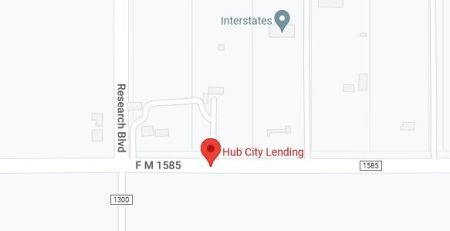
Location: Lubbock, Texas, United States
Work:Owner/Broker @ HubCityLending
Education:University of Texas at the Permian Basin, Master of Business Administration, 1999 – 2001